Searching for Belonging
On Late Diagnosis
Searching for Belonging
What being diagnosed autistic and ADHD in my thirties taught me about masking, relationships, and coming home to myself
Growing up, I always felt like I didn’t quite fit in.
I always had too many thoughts and never the right moment
I had so many thoughts during conversations, with my peers, my teachers, even my own family. My mind was constantly making connections, noticing details, and thinking of things I wanted to contribute. But I could never seem to find the right moment or the right words. By the time I figured out what I wanted to say, the conversation had already moved on. The moment had passed. So I stayed quiet.
This happened over and over again until silence became familiar. I wasn’t without thoughts. I had too many of them. I just couldn’t seem to translate them into conversation fast enough.
In sixth grade, I became so overwhelmed by traditional public school that I took a year off and was homeschooled. At the time, I couldn’t explain why school felt so impossible. I only knew that everything felt like too much.
Seventh grade, when I decided to fit in
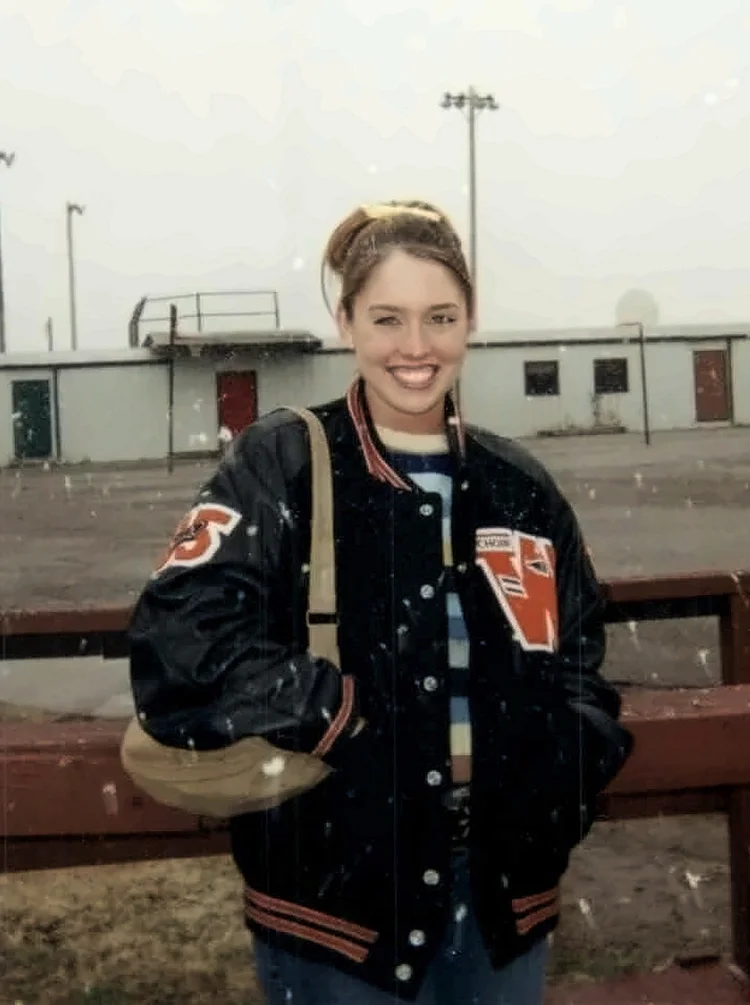
When I returned in seventh grade, I made a decision. I was going to fit in.
I started watching the other kids closely. I studied how they talked, what they laughed at, how they stood, the clothes they wore, the makeup they used, and the hairstyles that were considered cool. Little by little, I learned to copy what seemed to come naturally to everyone else. Without realizing it, I was learning to mask.
For the first time, I felt like I belonged. But underneath that relief was something I couldn’t name: a quiet dread. It felt as though I was performing every day, and somewhere deep down I knew I couldn’t keep performing forever.
When the mask got too heavy
By my junior year of high school, everything came crashing down. My grades plummeted. Depression settled in. Every day felt harder than the one before. I looked around at my classmates and couldn’t understand why life seemed to come so naturally to them while I struggled with things that everyone else called simple. Why was eye contact so difficult? Why couldn’t I effortlessly join conversations? Why did reading a room feel like trying to solve a puzzle with half the pieces missing?
Most of all, I wondered what was wrong with me.
During that time, relationships became my safe place. Being someone’s girlfriend felt easier than navigating a group of peers. For years I believed I just needed to feel wanted, whether or not the connection was actually good for me.
Getting diagnosed in my thirties
I wasn’t assessed until my thirties, when I met criteria for both autism and ADHD.
Two things, not one. The part of me that had more thoughts than I could hold was never the same part that couldn’t find the timing to say them. I had been treating them as one failure my whole life. A lot of us use the shorthand AuDHD for the combination. It is not a formal diagnosis. It is just a word for what it is like when both are true and they want opposite things.
The diagnosis didn’t change who I was. It gave me understanding. For the first time, I had a framework that made sense of experiences I had spent decades trying to explain away.
What I was actually looking for in relationships
One of the biggest pieces of myself I finally began to understand was the way I experienced romantic relationships. Looking back, it wasn’t about romantic attention at all. It was about belonging. I had spent so much of my life feeling different, misunderstood, and like I was watching everyone else effortlessly belong while I struggled to find my place. Romantic relationships became one of the few places where belonging felt possible.
Being chosen by someone felt like proof that maybe I wasn’t too much. Maybe I wasn’t as different as I believed. Maybe I was finally enough.
I understand now that many of the relationships I pursued weren’t about love. They were about searching for safety, acceptance, and a place where I could finally exhale.
Finding a word for it
Learning about limerence gave me language for something I had never been able to explain.
A psychologist named Dorothy Tennov made the word up in 1979 because nothing that already existed described what she kept hearing from people. It never made it into the DSM. People still argue about whether it should. And nobody has really studied how it works in autistic people specifically, so I want to be careful about how much weight I put on it.
What has been studied is the autistic tendency toward intense, narrow, repetitive focus. That is in the diagnostic criteria. It is usually described as landing on a subject. Mine landed on people.
For me it wasn’t simply having an intense crush. It was an overwhelming emotional fixation. My brain would replay conversations for hours, analyze every interaction, search for hidden meaning, and tie far too much of my emotional wellbeing to whether that connection felt secure.
Understanding my diagnoses didn’t excuse unhealthy patterns or erase responsibility for my choices, but it replaced shame with compassion. It gave me words. Words to explain my needs, advocate for myself, and recognize when I was becoming overwhelmed instead of assuming I was failing.
It also helped me understand what I genuinely need in relationships: consistency, direct communication, honesty, and emotional safety. Instead of trying to become easier for other people to love, I’m learning to ask whether a relationship allows me to be fully myself.
What this changed about how I work with clients

As a therapist, this understanding has transformed the way I work. I don’t see autism as something to fix. I see people who have spent years believing they were too much or not enough because they were trying to survive in a world that wasn’t built with minds like theirs.
A lot of the people I sit with are somewhere in the middle of this same thing. Still unmasking, or considering assessment, or holding a recent diagnosis and working out what it means for a marriage, a job, and every year that came before it. That work deserves a therapist who is not going to treat the way you are wired as a problem to be corrected.
Belonging doesn’t start where I thought it did
For most of my life, I thought belonging was something I had to earn. I believed that if I could just say the right thing, wear the right clothes, mask well enough, or be enough for someone else, I would finally find the place where I fit.
Belonging doesn’t begin with being understood by everyone else. It begins with understanding yourself.
My diagnosis didn’t give me a new identity. It gave me permission to stop searching everywhere else for something that had been growing within me all along.
For the first time in my life, I wasn’t searching for belonging. I was finally coming home to myself.
Still working out what a late diagnosis means for the life you already built?
Schedule a consultation with Taylortherapy for an expansive life
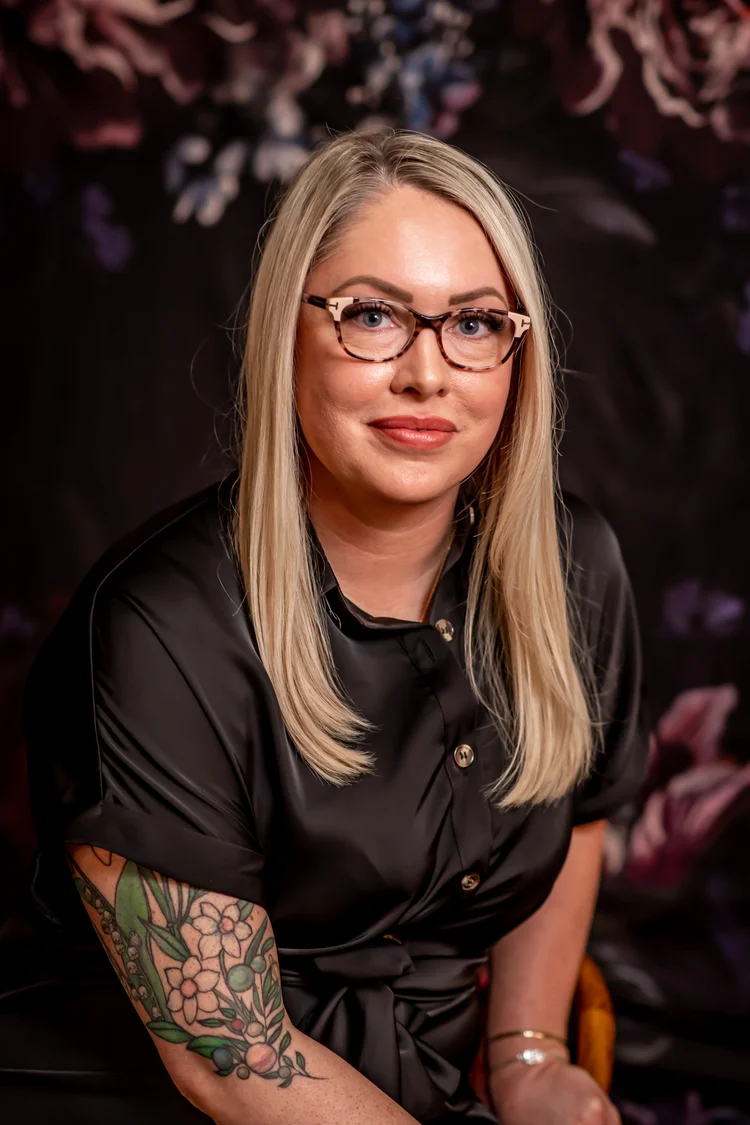
Taylor Hendricks, LMSW works with neurodivergent girls, women, teens, and LGBTQIA+ clients across Oklahoma, and sees clients as young as 9. She also runs Neurodivergent IRL, an outdoor walk and talk in the Tulsa area. Taylor receives clinical supervision from Shylah Ridgway, LCSW, LICSW, founder of Ala Therapy Collective and licensed clinical supervisor in Oklahoma.