Fatherless Father’s Day
On Grief & Forgiveness
Fatherless Father’s Day
A fatherless Father’s Day used to be because my dad was mostly absent from my life. I am sure he would say I chose to be absent from his life, but when you grow up in an abusive environment, it’s hard to be motivated to spend time with somebody who refused to take accountability or apologize for their part in our distance. Either way, I would usually at least try to phone him on his birthday and on Father’s Day. However, this year, that is not an option. My father died of prostate cancer in late February after only two days in hospice. I did try to speak to him while he was in hospice, but my father chose not to take my call and angrily pushed the phone away, saying he did not want to speak to me. It’s hard for me to know if it was personal, a lack of medication, or the anger he had, knowing that he was going to die and he couldn’t stop it, but I would be lying if I said it didn’t hurt.
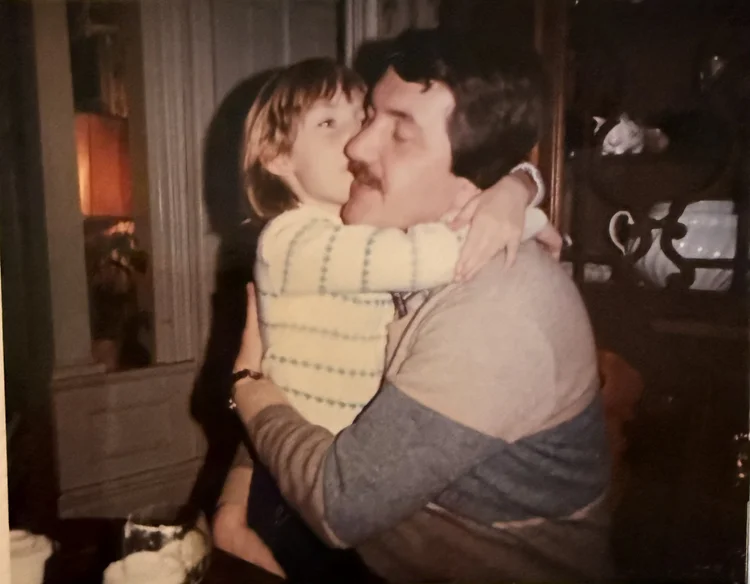
By the next day, my dad was incoherent. No longer fighting and drifting in and out of consciousness. I was asked if I wanted to talk to him again. I decided to record a message so that if he woke up and got angry, I wouldn’t have to endure that pain again. As angry as I was at my dad, I told him I forgave him and that he could let go and be with the people he loved. I told him to picture the Black Forest where his mother lived, and that she was waiting for him with open arms. I know my dad has his own trauma. That was always driven home to me, but when you are a child, none of those things matter. You want your parents to do better and love you no matter what. I don’t know if that ever happened.
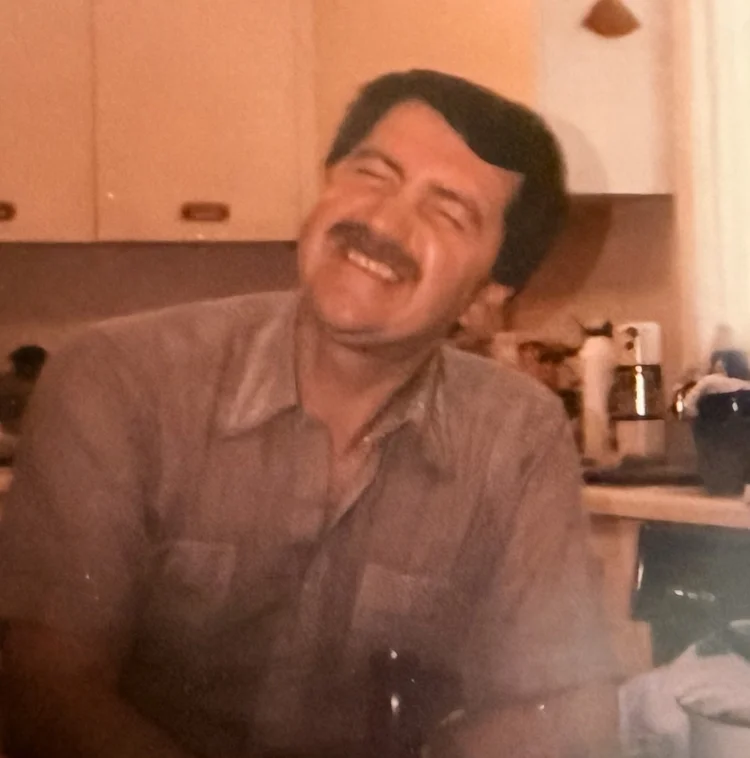
This is why I forgave my dad. Not to forget the abuse, but to allow myself and him some peace in the end.
We didn’t talk much in the end. When we did, it was short and usually cordial, but it always felt uncomfortably strained. He didn’t really know me or my children. His grandchildren. He had kicked me out when I was 14. He had found another family and declared that he was moving out and no longer paying the mortgage. He told us all to find our own places to live, and I did. I lived in downtown Toronto for several years. The Toronto punks became my family. I kept going without his support. Then at 18, I moved to England. I wanted to be further away. Somewhere that I felt I could rebuild my life on my own terms, and I did. Eventually, I ended up in America with three kids. I know they don’t necessarily see me as a perfect parent, and I hold myself accountable for that, but I do love my children unconditionally. I can’t imagine not loving them. In fact, it pains me to think that they would ever have a relationship like the one I had with my dad. This is why I forgave my dad. Not to forget the abuse, but to allow myself and him some peace in the end. I don’t think I could have carried that heaviness of not saying goodbye and telling him I love him, because deep down I truly did, and I always hoped and wished he loved me back.

I always hoped and wished he loved me back.
Carrying grief, or a complicated relationship with a parent?
Reach out to Ala Therapy Collectivetherapy for an expansive life

Michi Medley, LMSW, A-CAS is a therapist at Ala Therapy Collective specializing in LGBTQIA+ affirming care, autism and neurodivergence, chronic illness, and trauma. An Advanced Certified Autism Specialist with trauma-informed ABA training, she draws on lived experience with autoimmune illness, caregiving, and being a child of alcoholism to meet clients with calm, often lighthearted honesty. She works with tweens, teens, and adults, and offers virtual sessions across Oklahoma.